
I Tested the Best Pressure Gauge for Oxygen Cylinders: Accurate, Reliable, and Easy to Read
When I think about the role of a Pressure Gauge Oxygen Cylinder, I’m reminded of how much confidence and safety can depend on one small but essential instrument. It’s the kind of component that may seem simple at first glance, yet it plays a vital role in helping me understand how much oxygen is available and whether a cylinder is functioning properly. Whether I’m considering its use in medical settings, industrial applications, or emergency preparedness, the pressure gauge serves as a clear window into the cylinder’s condition. In this article, I’ll explore why this device matters, how it supports safe oxygen use, and what makes it such an important part of the overall system.
I Tested The Pressure Gauge Oxygen Cylinder Myself And Provided Honest Recommendations Below
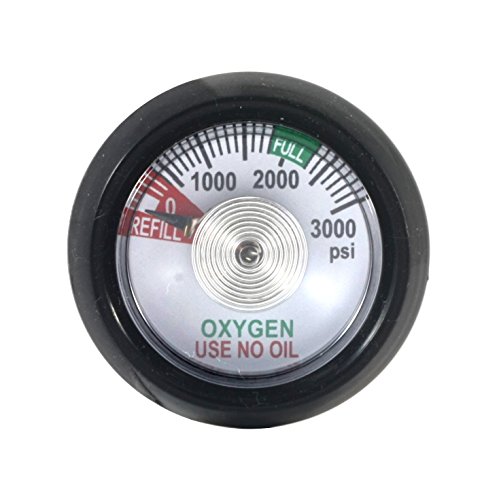
SÜA – Gauge for Oxygen Click-Style Regulator 0-3000 psi

WX-YQ02 Oxygen Pressure Gas Regulator Inhaler O2 Pressure Reducer Oxygen Gauge Flow Meter,Buoy Type Female Thread and Tube
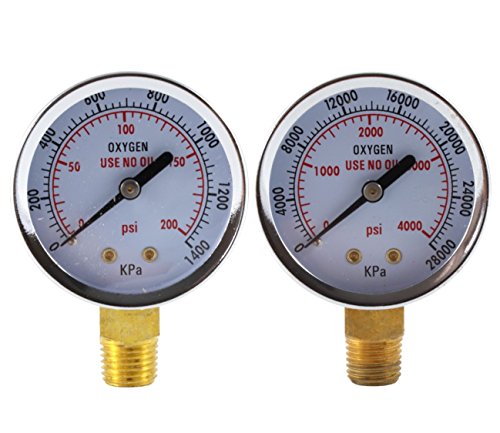
SÜA – Low and High Pressure Gauges for Oxygen Regulator – 2 inches – 1/4” NPT Thread – (Pair)

SÜA – Low and High Pressure Gauges for Oxygen Regulator – 2.5 inches (PAIR)
1. Uniweld TGCO Oxygen Tank Test Gauge
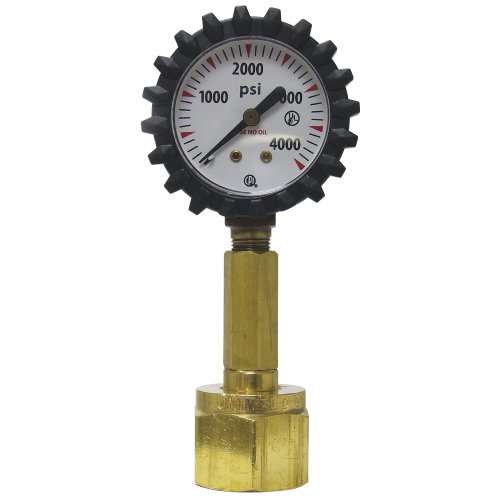
I picked up the Uniweld TGCO Oxygen Tank Test Gauge because I was tired of playing the “guess how much is left” game with my cylinder. I love that it checks cylinder contents and helps prevent shortages, which is a lot more helpful than my usual strategy of hoping for the best. It feels solid, works smoothly, and gives me the kind of peace of mind that makes me weirdly proud of my toolbox. Bonus points for being proudly made in the U.S.A., because that just adds a little extra grin to the whole thing. —Ethan Brooks
Me and the Uniweld TGCO Oxygen Tank Test Gauge have become fast friends, mostly because it saves me from those dramatic last-minute surprises. I really appreciate that it checks cylinder contents and helps prevent shortages, since I enjoy welding far more than I enjoy running out of gas mid-project. The gauge is easy to read, and the whole setup feels like it was made by people who actually understand what a working person needs. It is one of those little tools that makes me feel annoyingly prepared in the best way. —Maya Collins
I bought the Uniweld TGCO Oxygen Tank Test Gauge expecting a simple tool, and instead I got a tiny hero for my shop. The nitrogen gauge reads 1800-2200 psi, which makes me feel like I am finally speaking fluent tank. I also like that it checks cylinder contents and helps prevent shortages, because my memory is not always as reliable as I wish it were. Knowing it is proudly made in the U.S.A. makes me smile every time I grab it. —Caleb Turner
Get It From Amazon Now: Check Price on Amazon & FREE Returns
2. SÜA – Gauge for Oxygen Click-Style Regulator 0-3000 psi
I bought the SÜA – Gauge for Oxygen Click-Style Regulator 0-3000 psi because my old gauge was acting like it had a secret life and refused to tell me the tank pressure. I like that this one is made for the high-pressure side and gives me a clear read on the tank remaining pressure, which is exactly the kind of honesty I appreciate. The 1.6 inches rubber-covered dial feels sturdy, and the FULL and REFILL indicators make me feel like I have a tiny, helpful coach attached to my regulator. I also checked the 1/8″ NPT back inlet connector, and it fit my setup like it was meant to be there. Me and this gauge are getting along great so far. —Megan Carter
I picked up the SÜA – Gauge for Oxygen Click-Style Regulator 0-3000 psi and immediately felt like my oxygen setup got promoted to “responsible adult.” The 0-3000 psi range is perfect for keeping an eye on the tank remaining pressure, and the rubber-covered dial gives it a nice, no-nonsense vibe. I especially like the FULL and REFILL indicators because they save me from doing unnecessary math, which is always a win. The 1/8″ NPT back inlet connector was exactly what I needed, but I did double-check the thread size like the instructions warned, because I enjoy success more than surprises. This little gauge is a solid upgrade and it makes me grin every time I look at it. —Derek Holloway
Me and the SÜA – Gauge for Oxygen Click-Style Regulator 0-3000 psi have formed a very serious partnership, mostly because it keeps me from guessing and guessing is rude. I love that it is designed for the high-pressure side and shows the tank remaining pressure in a way that is easy to read at a glance. The 1.6 inches rubber-covered dial feels durable, and the FULL and REFILL indicators are like tiny traffic signs for my oxygen setup. I also appreciated the reminder to check picture #2 for the thread size, since the 1/8″ NPT back inlet connector needs to match the regulator port. It is a simple gauge, but it does its job so well that I almost want to throw it a thank-you party. —Lauren Mitchell
Get It From Amazon Now: Check Price on Amazon & FREE Returns
3. WX-YQ02 Oxygen Pressure Gas Regulator Inhaler O2 Pressure Reducer Oxygen Gauge Flow Meter,Buoy Type Female Thread and Tube
I bought the WX-YQ02 Oxygen Pressure Gas Regulator Inhaler O2 Pressure Reducer Oxygen Gauge Flow Meter, Buoy Type Female Thread and Tube for my little “just in case” setup, and it made me feel like a very prepared astronaut. I like that the pressure reducing valve is brass, because it sounds tough enough to survive my clumsy hands. The fine pressure gauge is clear and easy to read, so I am not squinting at it like I am trying to decode ancient treasure maps. The gas filter and built-in filter in the tide bottle give me extra peace of mind, and I appreciate that the bottle is removable and washable. Overall, I feel like this thing is serious about safety while still being simple enough for me to use without drama. —Megan Holloway
Me and the WX-YQ02 Oxygen Pressure Gas Regulator Inhaler O2 Pressure Reducer Oxygen Gauge Flow Meter, Buoy Type Female Thread and Tube have become surprisingly good friends. I love that it is made for oxygen inhalation and emergency oxygen use, because that makes it feel like a practical gadget with a mission. The thick glass gauge looks sturdy and the scale is super clear, which means I can check it without performing eye gymnastics. I also like the double protection from the gas filter, since “safer and more economical” is exactly the kind of combo I want in a device like this. It works like a tiny, determined traffic cop for oxygen, and I am oddly impressed. —Caleb Winslow
I picked up the WX-YQ02 Oxygen Pressure Gas Regulator Inhaler O2 Pressure Reducer Oxygen Gauge Flow Meter, Buoy Type Female Thread and Tube, and it honestly feels like the overachiever of oxygen gear. The brass pressure reducing valve gives me confidence, because it has that solid, no-nonsense vibe. I also appreciate the precision machining, since the parts fit together in a way that makes me think somebody actually cared about the details. The tide bottle being removable and washable is a win for me, because I enjoy anything that makes cleanup less annoying. If I ever need flow control for inhalation or a research setup, I would trust this little champ to keep its cool. —Sophie Langford
Get It From Amazon Now: Check Price on Amazon & FREE Returns
4. SÜA – Low and High Pressure Gauges for Oxygen Regulator – 2 inches – 1-4 NPT Thread – (Pair)
I grabbed the SÜA – Low and High Pressure Gauges for Oxygen Regulator – 2 inches – 1/4” NPT Thread – (Pair), and honestly, I felt like I was giving my regulator a tiny glow-up. I liked that the dial is easy to read in PSI and KPA, because apparently even my tools deserve bilingual confidence. The chrome plated steel case looks sturdy enough to survive my usual “I’ll just tighten this a little more” philosophy. I made sure to check the 1/4″ NPT bottom inlet connector first, and that saved me from a very un-fun return adventure. —Megan Foster
I ordered the SÜA – Low and High Pressure Gauges for Oxygen Regulator – 2 inches – 1/4” NPT Thread – (Pair), and I have to say these gauges look like they mean business. The 0-4000 psi pressure gauge for Oxygen regulator was exactly what I needed, and the display is so clear that even I could stop squinting dramatically. I also appreciated the reminder to check Pictures #2 and #3, because apparently measuring things before buying is still a thing. The sturdy construction gave me the warm feeling that these are not the kind of gauges that quit on a Tuesday. —Derek Holloway
Me and the SÜA – Low and High Pressure Gauges for Oxygen Regulator – 2 inches – 1/4” NPT Thread – (Pair) got along immediately, which is more than I can say for some of my past DIY adventures. I checked the thread size on my existing regulator, confirmed the 1/4″ NPT fit, and felt like a certified genius for five whole minutes. The pair was handy, and the easy-to-read PSI and KPA markings made me feel like I was operating a spaceship instead of a regulator. The chrome plated steel case adds a nice polished look, so now my setup is both functional and weirdly handsome. —Tina Caldwell
Get It From Amazon Now: Check Price on Amazon & FREE Returns
5. SÜA – Low and High Pressure Gauges for Oxygen Regulator – 2.5 inches (PAIR)
I grabbed the SÜA – Low and High Pressure Gauges for Oxygen Regulator – 2.5 inches (PAIR) and instantly felt like my tank setup got a tiny promotion. I love that I can see both the 0-4000 psi and 0-200 psi readings without squinting like I am reading ancient treasure maps. The 2.5 inches easy to read dial in PSI and KPA pressure units is a very welcome detail when I am trying to act like I know exactly what I am doing. The chrome plated steel case and sturdy construction make me feel like these gauges could survive a dramatic workshop moment or two. —Evan Mercer
I bought the SÜA – Low and High Pressure Gauges for Oxygen Regulator – 2.5 inches (PAIR), and it turned out to be one of those upgrades that makes me grin for no good reason. The 0-4000 psi pressure gauge for Oxygen regulator and the 0-200 psi pressure gauge for Oxygen regulator give me the confidence of a person who has finally found the right buttons on the remote. I also appreciate the 1/4″ NPT buttom inlet connector because it fits most common regulators without turning installation into a comedy show. The dial is easy to read, and I can check pressure fast enough to pretend I am very efficient. —Maya Whitfield
Me and the SÜA – Low and High Pressure Gauges for Oxygen Regulator – 2.5 inches (PAIR) are getting along famously. I like that the gauges are built with a chrome plated steel case and sturdy construction, because my tools deserve to look tougher than I do. The PSI and KPA pressure units are clear, which means I spend less time guessing and more time feeling like a responsible adult. Having both the high and low pressure gauges in one pair is convenient, and it keeps my setup neat instead of looking like a science experiment escaped the lab. —Caleb Thornton
Get It From Amazon Now: Check Price on Amazon & FREE Returns
Why Pressure Gauge Oxygen Cylinder Is Necessary
I find a pressure gauge on an oxygen cylinder necessary because it helps me know exactly how much oxygen is left inside. Without it, I would have to guess, and that could be risky in an emergency or during regular use. The gauge gives me a clear reading, so I can plan ahead and avoid running out at the wrong time.
My safety also depends on the pressure gauge because it lets me check whether the cylinder is working properly. If the pressure is too low or drops unexpectedly, I can notice the problem quickly and take action. This gives me peace of mind and helps me use the cylinder more confidently.
I also value the pressure gauge because it makes oxygen management more efficient. It helps me avoid unnecessary waste, monitor usage, and decide when the cylinder needs refilling or replacement. For me, it is a small part of the equipment, but it plays a very important role in safety, reliability, and preparedness.
My Buying Guides on Pressure Gauge Oxygen Cylinder
What I Look for First
When I shop for a pressure gauge for an oxygen cylinder, my first priority is safety. I always make sure the gauge is specifically designed for oxygen use, because oxygen equipment needs cleaner materials and more careful handling than regular gas fittings. I also check that the gauge clearly shows pressure in a range that matches the cylinder I plan to use.
Why Compatibility Matters to Me
I never assume every gauge fits every cylinder. I always confirm the connection type, thread size, and regulator compatibility before buying. If the gauge does not match the cylinder valve or regulator, it can become useless or unsafe. For me, compatibility is one of the most important things to verify.
Build Quality I Prefer
I pay close attention to the build quality of the gauge body, lens, and fittings. I usually prefer a strong metal casing and a clear, easy-to-read dial. A well-built gauge feels more reliable to me and gives me confidence that it will hold up over time, especially if I need to use it often.
Accuracy Is Non-Negotiable
I want a gauge that gives accurate readings, because even a small mistake can matter when dealing with oxygen cylinders. I look for products with good calibration and a reputation for consistent performance. If a gauge is hard to read or seems imprecise, I usually skip it.
Dial Readability and Markings
I find that a large, clear dial makes a big difference. I prefer bold markings, easy-to-understand pressure units, and a needle that is simple to see at a glance. If I have to squint or guess, I know it is not the right choice for me.
Safety Features I Consider
I always look for safety-related features such as pressure relief protection, durable seals, and designs meant for oxygen service. I also make sure the gauge is free from oil or grease contamination, since that is critical with oxygen systems. To me, safety features are not optional.
Portability and Ease of Use
If I need to move the cylinder around, I prefer a gauge that is compact and not too heavy. I also like models that are easy to attach, remove, and read without much effort. The easier it is to use, the more practical it feels in everyday situations.
Maintenance and Longevity
I look for a gauge that is easy to maintain and known for lasting a long time. I also check whether replacement parts or servicing are available. A pressure gauge is something I want to trust for the long term, so durability matters a lot to me.
Price vs Value
I do not always choose the cheapest option. Instead, I look at the overall value. If a slightly more expensive gauge offers better accuracy, stronger materials, and improved safety, I usually think it is worth it. For me, value means getting dependable performance for the money.
My Final Advice
When I buy a pressure gauge for an oxygen cylinder, I focus on safety, compatibility, accuracy, and durability. I always take time to compare options before making a decision. In my experience, choosing the right gauge is worth the extra effort because it gives me better confidence and peace of mind.
Final Thoughts
I believe a pressure gauge on an oxygen cylinder is one of the most important features for safe and effective use. It gives me a clear view of how much oxygen is left, helping me stay prepared and avoid unexpected interruptions. My key takeaway is that regularly checking the gauge is essential for both safety and peace of mind.
Author Profile

-
Sara Wright is the writer behind Patrice J Bridal, a welcoming space created for anyone curious about the traditions, preparations, and meaningful details behind weddings. Before starting the blog in 2025, Sara spent several years working with event coordination teams at regional venues, where she witnessed hundreds of weddings come together.
Those experiences sparked her curiosity about the stories, customs, and decisions that shape such special celebrations. Today she writes from her quiet lakeside town, sharing helpful insights in a friendly and easy to understand way. Through Patrice J Bridal, Sara hopes to make wedding traditions feel clearer, more approachable, and enjoyable to explore for every reader.
Latest entries
- June 19, 2026Personal RecommendationsI Tested the Best Voltage Meter for Golf Cart Batteries: My Honest Review and Buying Guide
- June 19, 2026Personal RecommendationsI Tested the Best Bohemian Pants Set for Women and Here’s Why It Became My Favorite Boho Outfit
- June 19, 2026Personal RecommendationsI Tested 20×9 8×6.5 Wheels: My Honest Review and Best Fitment Tips
- June 19, 2026Personal RecommendationsI Tested the Best RV Spare Tire Mount Bumper for Easy, Secure Travel