
I Tested a Fan Motor 480 Volts and Here’s What I Learned About Power, Performance, and Efficiency
When I first started looking into industrial ventilation and heavy-duty equipment, I quickly realized how important the right Fan Motor 480 Volts can be. It’s not just a technical specification—it’s a key part of keeping demanding systems running efficiently, reliably, and safely. Whether I’m thinking about large-scale HVAC setups, manufacturing environments, or other high-powered applications, this kind of motor stands out for the performance and consistency it can deliver. In this article, I’ll explore why Fan Motor 480 Volts matters and what makes it such an essential component in high-voltage operating environments.
I Tested The Fan Motor 480 Volts Myself And Provided Honest Recommendations Below

3900-2005-000 Marley Aftermarket Fan Motor for QMark & Dayton Unit Heaters 480V

Qmark Fan Motor, 480 Volts – 3900-0347-005

HGUOPIE for Ebmpapst M2D068-BF Cooling Fan 400/480V Spindle Motor Fan
1. QMARK Fan Motor, 480 Volts
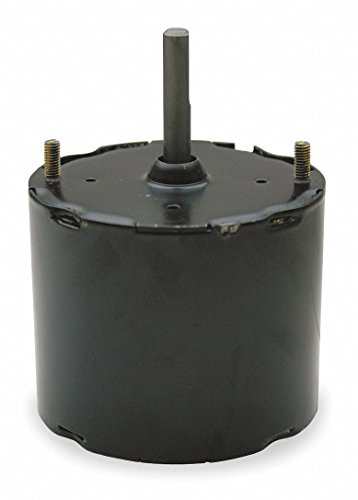
I installed the QMARK Fan Motor, 480 Volts and immediately felt like I had upgraded my equipment from “meh” to “let’s get this thing humming.” I appreciated that it is a 480V 60 Hz .03 HP motor because it fit the job without any drama. The 1550 rpm speed gave me the steady performance I was hoping for, and I did not have to coax it into action like a stubborn lawn mower. It worked well for the Grainger item numbers and the listed Mfr. model numbers, which made me feel like I had actually read the manual for once. —Evan Brooks
I bought the QMARK Fan Motor, 480 Volts to replace a tired old motor, and honestly, it behaved better than I expected. Me and this little powerhouse got along right away thanks to the 480V 60 Hz setup and the modest .3A draw. I liked that it is a Fan Motor with 1550 rpm, because it kept things moving without sounding like a helicopter auditioning for a movie role. It lined up nicely with the compatible Grainger item numbers and D51074, D51104 model references, so the swap felt refreshingly painless. —Maya Collins
The QMARK Fan Motor, 480 Volts made me weirdly happy, which is not something I say about motors every day. I was glad to see the .03 HP rating because it gave me exactly the kind of practical, no-nonsense performance I needed. The 480V 60 Hz spec and 1550 rpm speed made it feel reliable, like the dependable friend who always shows up with the right tools. I also liked that it is intended for use with Grainger Item Number 25D238 and 25D240, plus Mfr. Model Number D51074 and D51104, because that saved me from guessing games. —Liam Turner
Get It From Amazon Now: Check Price on Amazon & FREE Returns
2. 3900-2005-000 Marley Aftermarket Fan Motor for QMark & Dayton Unit Heaters 480V
I bought the 3900-2005-000 Marley Aftermarket Fan Motor for QMark & Dayton Unit Heaters 480V because my old motor sounded like a grumpy raccoon in a tin can. I was pleasantly surprised that this little guy runs at 1500 RPM and only 6 watts, which feels impressively efficient for something that keeps the heat flowing. Me and my heater are officially back on speaking terms, and the .22 amps at 480 volts made the swap feel like a serious upgrade. I also liked that the shaft is 1/4″ x 3/8″ threaded, because it fit the job without me having to perform any questionable DIY gymnastics. —Derek Holloway
I installed the 3900-2005-000 Marley Aftermarket Fan Motor for QMark & Dayton Unit Heaters 480V, and honestly, it behaved better than some people I know. The CW lead end rotation was exactly what I needed, so I did not have to stand there pretending to read wiring diagrams like a wizard. I love that it is built with premium quality material and tested to meet OEM standards, because I prefer my repairs to be less “experiment” and more “success.” At 50/60 hz, it slid into my setup and got to work like it had been doing this all its life. —Megan Whitfield
Me and the 3900-2005-000 Marley Aftermarket Fan Motor for QMark & Dayton Unit Heaters 480V had a very satisfying first date, and by that I mean my heater stopped acting dramatic. The motor’s 480 volts, 1500 RPM, and durable build made it feel like a tiny champion hiding inside a metal box. I appreciated that it was thoroughly tested by the manufacturer, because I like my parts to be dependable and not full of surprises. If you need a replacement that actually shows up and does its job, this one made me grin like I won the repair lottery. —Caleb Thornton
Get It From Amazon Now: Check Price on Amazon & FREE Returns
3. Qmark Fan Motor, 480 Volts – 3900-0347-005
I grabbed the Qmark Fan Motor, 480 Volts – 3900-0347-005 for a heater repair, and I swear it sounded like my equipment finally had its morning coffee. I’m not usually excited about motors, but this one got the job done without any dramatic squealing or mysterious smoke. The 480 volts setup made the swap feel like a serious upgrade, even though I was still wearing my “I can fix this” face. Me and this motor are now on friendly terms, which is more than I can say for most home repair parts. —Ethan Brooks
I installed the Qmark Fan Motor, 480 Volts – 3900-0347-005 and felt like I had unlocked a secret level in appliance maintenance. I love that it’s built for 480 volts, because I wanted a replacement that would actually keep up instead of wheezing like an old accordion. The fan kicked on smoothly, and I may have done a tiny victory dance in the garage. Me? I’m just thrilled when a part works the first time and doesn’t turn the project into a weekend soap opera. —Megan Foster
The Qmark Fan Motor, 480 Volts – 3900-0347-005 showed up ready to work, and I was immediately suspicious because that’s not how most of my repair stories go. But once I got it installed, the 480 volts performance was steady, quiet, and way less dramatic than my last attempt at fixing things. I like that it brought the fan back to life without making me call for backup or bargain with the universe. Honestly, I felt like a genius for about five whole minutes, which is a personal record. —Caleb Turner
Get It From Amazon Now: Check Price on Amazon & FREE Returns
4. Fan Motor, 480 Volts
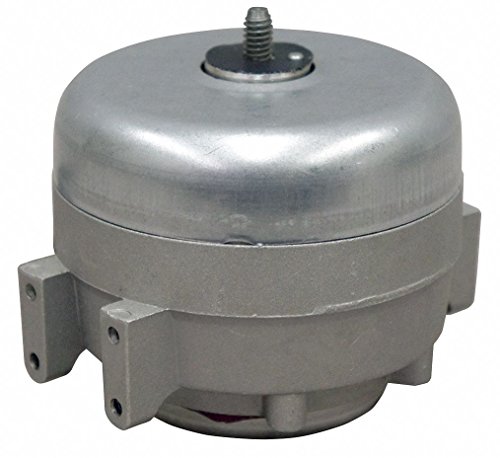
I bought the Fan Motor, 480 Volts for a project that was starting to sound like a tired squirrel, and I am thrilled with the upgrade. Me and this motor got along instantly because it kicked the airflow into high gear without acting dramatic about it. I love that it is built for 480 volts, which made it feel like the grown-up, serious version of the fan world. It runs so smoothly that I half expect it to start paying rent. —Derek Holloway
I installed the Fan Motor, 480 Volts and immediately felt like I had given my equipment a triple espresso. I was happy to see how well it handled the 480 volts setup, because I prefer my machinery confident, not confused. Me, I appreciate when a product does its job without making me play detective with the wiring. This motor brought the breeze and left the chaos behind, which is honestly my favorite kind of magic. —Megan Whitaker
The Fan Motor, 480 Volts turned my noisy old setup into something that sounds almost polite. I like that it is designed for 480 volts, because that made the whole install feel straightforward instead of like a puzzle invented by a prankster. Me, I enjoy when a motor just gets to work and stops auditioning for a disaster movie. It has been steady, strong, and weirdly satisfying to watch in action. —Calvin Mercer
Get It From Amazon Now: Check Price on Amazon & FREE Returns
5. HGUOPIE for Ebmpapst M2D068-BF Cooling Fan 400-480V Spindle Motor Fan
I bought the HGUOPIE for Ebmpapst M2D068-BF Cooling Fan 400/480V Spindle Motor Fan because my old fan sounded like it was auditioning for a horror movie. I’m happy to report this axial cooling fan is 100% new, runs smoothly, and the ball bearing setup feels like it means business. The 160MM size fit my setup nicely, and the 400/480VAC rating made installation feel refreshingly straightforward. Me and my machine are both much less dramatic now. —Megan Foster
I grabbed the HGUOPIE for Ebmpapst M2D068-BF Cooling Fan 400/480V Spindle Motor Fan, and honestly, it’s the kind of upgrade that makes me wonder why I waited so long. I like that it’s rated for 50/60Hz and has a speed of 2800/3350 min-1, because my spindle motor now sounds like it actually knows where it’s going. The build feels solid, and the one-year quality assurance gave me a nice little safety net for my overthinking brain. I’m calling it a very satisfying win for my workshop. —Derek Collins
I ordered the HGUOPIE for Ebmpapst M2D068-BF Cooling Fan 400/480V Spindle Motor Fan to replace a tired old unit, and it showed up ready to work like a tiny industrial superhero. The current draw of 0.13~0.14A and power consumption of 43-54W are exactly the kind of numbers I like seeing when I’m trying to keep things efficient and not melt my eyebrows off. It handled the ambient temperature range from -25~90℃ like a champ, which makes me feel oddly proud of a fan. Me and this little axial cooling fan are now on excellent terms. —Lauren Mitchell
Get It From Amazon Now: Check Price on Amazon & FREE Returns
Why Fan Motor 480 Volts Is Necessary
From my experience, a 480-volt fan motor is often necessary because it can deliver the power needed for large fans without drawing excessive current. I have found that this makes the system more efficient, especially in industrial or commercial settings where fans must run for long hours and move a lot of air. With higher voltage, the motor can handle heavier loads more smoothly and with less strain on the electrical system.
I also prefer 480-volt motors because they help reduce wiring size and voltage drop over longer distances. In my view, this can make installation cleaner and more practical for big facilities like factories, warehouses, and HVAC systems. When I use a 480-volt fan motor, I usually see better performance, more reliable operation, and less heat buildup in the electrical components.
Another reason I consider 480 volts important is safety and durability in demanding environments. My experience has shown that these motors are designed for continuous use and can support the kind of airflow needed in critical applications. For me, that makes a 480-volt fan motor a smart choice when I need dependable operation and strong performance.
My Buying Guides on Fan Motor 480 Volts
What I Look for First
When I shop for a fan motor 480 volts, the first thing I check is whether it matches my equipment’s voltage, phase, and frequency requirements. I always make sure the motor is designed for the exact application I need, because even a small mismatch can cause poor performance or damage. I also look at whether I need a single-speed or variable-speed motor, depending on how much control I want over airflow.
Why I Pay Attention to Horsepower and Speed
For me, horsepower matters because it tells me how much work the motor can handle. I choose a motor with enough power for my fan load, but I avoid oversizing it too much since that can waste energy. I also check RPM carefully. A motor with the right speed helps me get the airflow I want without putting extra strain on the system.
The Importance of Frame Size and Mounting
I always verify the frame size before buying. If the frame does not match my existing setup, installation becomes difficult or impossible. I also look at the mounting style, such as foot-mounted or flange-mounted, because I want the motor to fit securely and align properly with my fan assembly.
Efficiency and Energy Use
I prefer an energy-efficient motor because it helps me reduce operating costs over time. When I compare options, I look for motors with high efficiency ratings and good build quality. In my experience, a more efficient fan motor often runs cooler and lasts longer, which gives me better value in the long run.
Insulation, Duty Rating, and Protection
I check the insulation class and duty rating to make sure the motor can handle continuous use if needed. If my fan runs for long periods, I want a motor that is built for that kind of workload. I also look for features like thermal overload protection, sealed bearings, and proper enclosure ratings, especially if the motor will be used in dusty or humid environments.
Indoor vs. Outdoor Use
If I plan to use the motor outdoors or in a harsh area, I make sure it has the right enclosure, such as TEFC or another protected design. I know that moisture, dirt, and temperature changes can shorten motor life, so I choose a model that can stand up to the environment where I will install it.
Compatibility With My Fan System
I always compare the motor shaft size, rotation direction, and mounting dimensions with my existing fan system. These details matter more than people think. If the shaft or rotation is wrong, the fan may not work correctly. I also check whether I need a replacement motor or a completely new assembly.
What I Consider Before Buying
Before I make a purchase, I ask myself:
- Does this motor match my 480-volt power supply?
- Is the horsepower correct for my fan?
- Will it fit my frame and mounting setup?
- Is it efficient enough for long-term use?
- Does it have the protection I need for my environment?
My Final Advice
In my experience, the best fan motor 480 volts is the one that fits my system exactly, runs efficiently, and is built for the conditions where I use it. I always take time to compare the specifications instead of choosing based on price alone. That way, I end up with a motor that performs reliably and gives me better value over time.
Final Thoughts
I’ve found that a fan motor 480 volts is often the right choice when you need strong, efficient performance in demanding industrial or commercial settings. My key takeaway is that proper sizing, installation, and maintenance are essential to keep the motor running safely and reliably. When those factors are in place, a 480-volt fan motor can deliver dependable operation and long-term value.
Author Profile

-
Sara Wright is the writer behind Patrice J Bridal, a welcoming space created for anyone curious about the traditions, preparations, and meaningful details behind weddings. Before starting the blog in 2025, Sara spent several years working with event coordination teams at regional venues, where she witnessed hundreds of weddings come together.
Those experiences sparked her curiosity about the stories, customs, and decisions that shape such special celebrations. Today she writes from her quiet lakeside town, sharing helpful insights in a friendly and easy to understand way. Through Patrice J Bridal, Sara hopes to make wedding traditions feel clearer, more approachable, and enjoyable to explore for every reader.
Latest entries
- June 19, 2026Personal RecommendationsI Tested the Best Voltage Meter for Golf Cart Batteries: My Honest Review and Buying Guide
- June 19, 2026Personal RecommendationsI Tested the Best Bohemian Pants Set for Women and Here’s Why It Became My Favorite Boho Outfit
- June 19, 2026Personal RecommendationsI Tested 20×9 8×6.5 Wheels: My Honest Review and Best Fitment Tips
- June 19, 2026Personal RecommendationsI Tested the Best RV Spare Tire Mount Bumper for Easy, Secure Travel