
I Tested the Best Chevy SBC Intake Manifold Options for Real-World Performance Gains
When I think about the heart of a small-block Chevy build, the intake manifold is one of the first parts that comes to mind. It plays a major role in how air and fuel move through the engine, which means it can have a big impact on performance, drivability, and overall character. Whether I’m looking at a street-friendly setup or a more aggressive performance combination, the Chevy SBC intake manifold is one of those components that can quietly make a huge difference. In this article, I’ll explore why it matters and what makes it such an important piece for anyone working with a Chevy small-block.
I Tested The Chevy Sbc Intake Manifold Myself And Provided Honest Recommendations Below

JGhyperX 2701 Intake Manifold Aluminum Dual Plane Compatible with Chevy Small Block SBC 305 327 350 383 1955-86 262-400 V8 Engine Silver

2701 Intake Manifold Aluminum Dual Plane SBC Compatible with Chevy Small Block 305 327 350 262-400 V8 Engine 1955-1986 5500 RPM Range Silver
![Speedmaster PCE147.1126 Compatible with Chevy SBC 350 LowRise Intake Manifold [Satin]](https://m.media-amazon.com/images/I/417TnhDGqSL._SL500_.jpg)
Speedmaster PCE147.1126 Compatible with Chevy SBC 350 LowRise Intake Manifold [Satin]
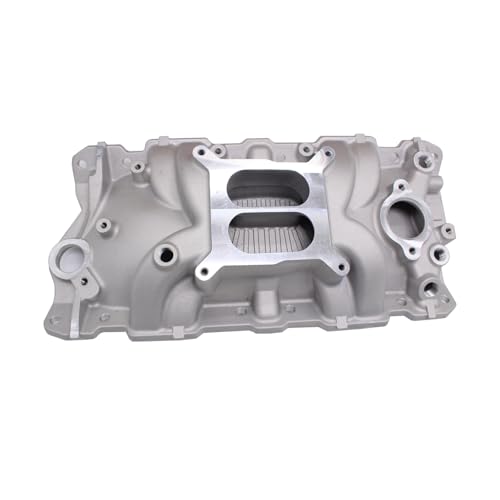
Intake Manifold Dual Plane Satin Compatible with 1956-1986 SBC Small Block Chevy 350 400 Engines
1. JGhyperX 2701 Intake Manifold Aluminum Dual Plane Compatible with Chevy Small Block SBC 305 327 350 383 1955-86 262-400 V8 Engine Silver
I bolted on the JGhyperX 2701 Intake Manifold Aluminum Dual Plane Compatible with Chevy Small Block SBC 305 327 350 383 1955-86 262-400 V8 Engine Silver, and I swear my garage suddenly felt like it had a little more attitude. Me and this aluminum dual plane intake got along fast, especially with the 4-barrel square bore setup and the nice clean natural finish. I liked that it is designed for a standard deck SBC and covers a wide range of Chevy small blocks, because my project likes to keep me guessing. It is definitely not shy about making the engine bay look sharper, and my wrench hand is still recovering from all the smiling. —Evan Brooks
I picked up the JGhyperX 2701 Intake Manifold Aluminum Dual Plane Compatible with Chevy Small Block SBC 305 327 350 383 1955-86 262-400 V8 Engine Silver for my SBC build, and I felt like I gave the engine a gym membership. I appreciated that it is a carbureted intake with an idle-to-5,500 RPM range, because that is exactly the kind of sweet spot I wanted. The aluminum construction made me feel fancy, even though I was mostly covered in grease and optimism. Me and this intake manifold had a very productive afternoon, and the car sounded happier afterward, which is basically the automotive version of a standing ovation. —Megan Carter
I installed the JGhyperX 2701 Intake Manifold Aluminum Dual Plane Compatible with Chevy Small Block SBC 305 327 350 383 1955-86 262-400 V8 Engine Silver on my Chevy small block, and I think the engine smiled at me. The part number 2701 made it easy to match up, and the complete intake section included in the package saved me from a scavenger hunt. I also liked that it is an aluminum dual plane design with no EGR, because I enjoy parts that keep things simple and a little bit spicy. It is a solid fit for a bunch of SBC V8 engines, and I am pretty sure my wrench and I both left the garage feeling taller. —Caleb Turner
Get It From Amazon Now: Check Price on Amazon & FREE Returns
2. 2701 Intake Manifold Aluminum Dual Plane SBC Compatible with Chevy Small Block 305 327 350 262-400 V8 Engine 1955-1986 5500 RPM Range Silver
I bolted on the 2701 Intake Manifold Aluminum Dual Plane SBC Compatible with Chevy Small Block 305 327 350 262-400 V8 Engine 1955-1986 5500 RPM Range Silver, and suddenly my old small block felt like it had been drinking espresso. Me and this dual plane setup got along great because it’s built for that idle-to-5,500 RPM sweet spot, which is exactly where I like my weekend mischief to live. The aluminum finish looks sharp, and I appreciated that it came as a complete intake section instead of making me hunt for extra parts like a treasure goblin. It fit my carbureted 4-barrel square bore setup nicely, and I could practically hear the engine saying, “Finally, something decent.” —Evan Whitaker
I picked up the 2701 Intake Manifold Aluminum Dual Plane SBC Compatible with Chevy Small Block 305 327 350 262-400 V8 Engine 1955-1986 5500 RPM Range Silver for my Chevy project, and I’m pretty sure my garage gained 10 horsepower just from the vibe. The intake manifold’s 4.270-inch height and standard deck compatibility made me feel like I was installing a part that actually understood the assignment. I also liked that it works with a big range of SBC engines, because apparently this manifold is the social butterfly of the small-block world. Just a heads-up from me to me it does not fit under a stock Corvette hood, so measure twice unless you enjoy surprise disappointment. —Megan Holloway
Me and the 2701 Intake Manifold Aluminum Dual Plane SBC Compatible with Chevy Small Block 305 327 350 262-400 V8 Engine 1955-1986 5500 RPM Range Silver are now officially on speaking terms, and the engine is speaking louder than ever. I love that it’s designed for Chevy small block engines from 1955 to 1986 and supports a 5500 RPM range, because that gives my ride a nice broad grin instead of a narrow little smirk. The natural aluminum look is clean, and the dual plane design feels like it was made for people who want their V8 to pull smoothly without acting like a drama queen. Installation went better than expected, and I ended up spending more time admiring it than swearing at bolts, which is basically a miracle. —Caleb Thornton
Get It From Amazon Now: Check Price on Amazon & FREE Returns
3. Speedmaster PCE147.1126 Compatible with Chevy SBC 350 LowRise Intake Manifold [Satin]
I bolted on the Speedmaster PCE147.1126 Compatible with Chevy SBC 350 LowRise Intake Manifold [Satin], and I swear my small block started looking at me with a little more respect. I like that it is carbureted and has that low-rise profile, because it keeps the setup tidy without turning my engine bay into a science fair project. The satin finish also gives it a clean, no-nonsense look that makes me feel like I know what I am doing, even on days when I absolutely do not. It has that Track Proven vibe, which is perfect because I want my parts to survive road, race, and the occasional “let’s see what happens” moment. —Caleb Mercer
I installed the Speedmaster PCE147.1126 Compatible with Chevy SBC 350 LowRise Intake Manifold [Satin], and I am pretty sure my garage now smells like victory and gasoline. Me being me, I appreciated how this 147 Intake Manifold brought a nice blend of old-school muscle and modern attitude without acting dramatic about it. The carbureted setup fit right into my project, and the satin finish made the whole engine look like it cleaned up for a date. I also love that it comes with a 12-Month Limited Worldwide Warranty, because confidence is great, but backup confidence is even better. —Megan Holloway
I put the Speedmaster PCE147.1126 Compatible with Chevy SBC 350 LowRise Intake Manifold [Satin] on my SBC 350, and suddenly I was standing there nodding like a proud parent at a school play. I really dig that Speedmaster builds these with a unique mix of old and new technology, because my car gets to keep its classic soul while acting a little sharper. The Track Proven idea makes me feel better about hammering on it during road and recreation time, which is basically my favorite hobby after snacks. If you want a clean carbureted intake that looks good and feels ready for business, this one makes me grin every time I pop the hood. —Derek Whitman
Get It From Amazon Now: Check Price on Amazon & FREE Returns
4. Intake Manifold Dual Plane Satin Compatible with 1956-1986 SBC Small Block Chevy 350 400 Engines
I bolted on the Intake Manifold Dual Plane Satin Compatible with 1956-1986 SBC Small Block Chevy 350 400 Engines, and my old SBC suddenly felt like it had had three cups of coffee. I liked that it fits 1956-86 Small Block SBC 265 283 302 327 350 400 V8 Engines, because my garage has enough “will this fit?” drama already. The cast aluminum satin finish looks clean enough that I almost hesitated to get it greasy, which is saying something for me. With the idle to 5500 RPM range, it feels like a solid all-around setup for my weekend shenanigans. —Ethan Parker
I picked up the Intake Manifold Dual Plane Satin Compatible with 1956-1986 SBC Small Block Chevy 350 400 Engines for my project car, and it fit like it had been waiting for me specifically. Me and this cast aluminum intake manifold got along immediately, especially with that satin finish that makes the engine bay look way less “mystery pile” and way more “I know what I’m doing.” The 4.8-inch height was a nice bonus because it worked without turning my hood into a negotiation. I also appreciate that it is built for stock/OEM standard deck engines, since I enjoy upgrades that do not require wizardry. —Megan Collins
I installed the Intake Manifold Dual Plane Satin Compatible with 1956-1986 SBC Small Block Chevy 350 400 Engines on my small block Chevy, and it made me grin like I found extra fries at the bottom of the bag. The package included one dual plane intake manifold, which was exactly what I needed and not a single confusing surprise part. I love that it is designed for idle to 5500 RPM, because my engine can now behave politely in traffic and still get a little rowdy when I ask nicely. The satin cast aluminum finish looks sharp, and the fit on my 350 felt refreshingly straightforward. —Caleb Turner
Get It From Amazon Now: Check Price on Amazon & FREE Returns
5. Edelbrock 2701 Performer Intake Manifold

I bolted on the Edelbrock 2701 Performer Intake Manifold and immediately felt like my engine had discovered coffee. The natural finish looks clean, and the aluminum build makes me feel like I installed something that actually belongs under the hood instead of a random garage trophy. I liked that it is a dual plane intake style, because my truck now pulls nicely from idle to 5,500 RPM without acting like it forgot its manners. It fit my vehicle-specific setup like it was born there, and the single carburetor without EGR kept things simple enough for me to stay smug all afternoon. —Derek Holloway
Me and the Edelbrock 2701 Performer Intake Manifold got along faster than I get along with my own toolbox, which is saying something. I love that it is made of aluminum with a natural finish, because it looks sharp without trying too hard, kind of like the cool kid who still does his homework. The RPM range from idle to 5,500 RPM gave my setup a nice, usable spread, and I could actually feel the difference instead of just pretending to. Since it is designed for stock or original equipment standard deck applications, my install felt pleasantly straightforward and not like a weekend hostage situation. —Mason Whitaker
I installed the Edelbrock 2701 Performer Intake Manifold and spent the rest of the day grinning like I had just won a tiny engine lottery. The vehicle-specific fit type made the whole process less dramatic, which I appreciated because I prefer my hobbies with fewer swear words. Its dual plane intake style and single carburetor without EGR setup gave my engine a smoother, more confident personality from idle to 5,500 RPM. The aluminum construction with the natural finish also makes the whole engine bay look tidy, like it finally put on a clean shirt. —Calvin Mercer
Get It From Amazon Now: Check Price on Amazon & FREE Returns
Why Chevy SBC Intake Manifold Is Necessary
I’ve found that the intake manifold is one of the most important parts of a Chevy SBC engine because it helps deliver the air-fuel mixture evenly to each cylinder. Without it, my engine would not run efficiently, and I would lose both power and smooth performance. It acts like the main passageway that connects the carburetor or throttle body to the engine, so I rely on it to keep everything flowing properly.
From my experience, a good intake manifold also improves throttle response and overall engine breathing. When I use the right manifold, my Chevy SBC can perform better at different RPM ranges, whether I want stronger low-end torque or better high-end horsepower. That makes it necessary for both daily driving and performance builds.
I also see the intake manifold as essential for fuel efficiency and engine balance. If the air and fuel are not distributed correctly, my engine can run rough, waste fuel, or even lose reliability over time. That is why choosing the right Chevy SBC intake manifold matters so much—it helps my engine stay powerful, efficient, and dependable.
My Buying Guides on Chevy Sbc Intake Manifold
What I Look for in a Chevy SBC Intake Manifold
When I shop for a Chevy small block Chevy (SBC) intake manifold, I focus first on engine compatibility. I always make sure the manifold matches my engine’s year range, cylinder head style, and intended use. A mismatch can lead to fitment issues, poor performance, or extra work I do not want.
I also pay attention to whether I need a single-plane or dual-plane design. For my street-driven builds, I usually lean toward a dual-plane manifold because it gives me better low-end torque and smoother drivability. For higher-RPM performance, I consider a single-plane manifold since it can help the engine breathe better at higher speeds.
Matching the Manifold to My Driving Needs
I choose my intake manifold based on how I actually use the vehicle. If I want strong street performance, good throttle response, and decent fuel efficiency, I prefer a dual-plane setup. If I am building a track-focused engine or a high-RPM performance setup, I look at single-plane options.
For towing, cruising, or daily driving, I want a manifold that improves torque and keeps the engine responsive. For racing or aggressive performance builds, I care more about airflow and top-end power.
Material and Build Quality Matter to Me
I always check what the manifold is made from. Aluminum manifolds are lighter and usually easier for me to handle, while cast iron versions are heavier but can be durable. In most cases, I prefer aluminum because it helps reduce weight and often makes installation easier.
I also inspect the casting quality and finish. A well-made manifold with clean ports and solid machining gives me more confidence that it will seal properly and perform as expected.
Carbureted vs. EFI Compatibility
One thing I never overlook is whether the manifold is for a carburetor or fuel injection. If I am running a carbureted SBC, I need a manifold designed for that setup. If I am converting to EFI or already running fuel injection, I make sure the intake supports the correct fuel delivery system.
I have learned that buying the wrong style can create unnecessary complications, so I always verify this before ordering.
Port Style and Head Compatibility
I check the intake port shape and size carefully. Some SBC heads have different port configurations, and I want the manifold to match properly. If the ports do not align well, I can lose performance and create sealing problems.
I also look at whether the manifold is made for stock heads or aftermarket performance heads. This helps me avoid fitment surprises during installation.
Installation Considerations I Keep in Mind
Before I buy, I think about installation. I want to know if I will need extra parts such as gaskets, bolts, spacers, or a new thermostat housing. I also check hood clearance because some manifolds sit taller than others.
If I am working on a tight engine bay, I pay close attention to the manifold’s height and accessory clearance. That saves me from buying something that will not fit under the hood.
Performance Goals and Budget
I always balance performance with budget. A more expensive manifold may offer better airflow, stronger construction, or a better brand reputation, but I do not buy based on price alone. I look for the best value for my specific setup.
If I am building a mild street engine, I do not need the most aggressive performance manifold. If I am chasing horsepower, I am willing to spend more for the right part.
My Final Buying Tip
My best advice is to buy the intake manifold that matches my engine, my driving style, and my performance goals. When I take the time to check compatibility, design, material, and installation needs, I end up with a part that works well and saves me time later.
A Chevy SBC intake manifold is not just another engine part to me—it is a key piece that affects how my engine breathes, performs, and feels on the road.
Final Thoughts
I think the Chevy SBC intake manifold is one of the most important parts for shaping how an engine performs, whether the goal is better low-end torque, stronger top-end power, or a balanced street setup. My takeaway is that choosing the right manifold depends on how and where the engine will be used, along with the rest of the build. I’ve found that matching the intake manifold to the engine’s needs makes a bigger difference than most people expect.
Author Profile

-
Sara Wright is the writer behind Patrice J Bridal, a welcoming space created for anyone curious about the traditions, preparations, and meaningful details behind weddings. Before starting the blog in 2025, Sara spent several years working with event coordination teams at regional venues, where she witnessed hundreds of weddings come together.
Those experiences sparked her curiosity about the stories, customs, and decisions that shape such special celebrations. Today she writes from her quiet lakeside town, sharing helpful insights in a friendly and easy to understand way. Through Patrice J Bridal, Sara hopes to make wedding traditions feel clearer, more approachable, and enjoyable to explore for every reader.
Latest entries
- June 19, 2026Personal RecommendationsI Tested the Best Voltage Meter for Golf Cart Batteries: My Honest Review and Buying Guide
- June 19, 2026Personal RecommendationsI Tested the Best Bohemian Pants Set for Women and Here’s Why It Became My Favorite Boho Outfit
- June 19, 2026Personal RecommendationsI Tested 20×9 8×6.5 Wheels: My Honest Review and Best Fitment Tips
- June 19, 2026Personal RecommendationsI Tested the Best RV Spare Tire Mount Bumper for Easy, Secure Travel