
I Tested the Best Mathematics Books for Kindergarten: My Top Picks for Early Math Learning
When I think about the earliest steps in a child’s learning journey, mathematics books for kindergarten stand out as some of the most valuable tools for building confidence, curiosity, and a love of numbers. At this stage, children are just beginning to make sense of patterns, shapes, counting, and simple problem-solving, and the right book can turn those first lessons into something fun and memorable. I find that the best kindergarten math books do more than teach basic skills—they invite young learners to explore, ask questions, and see math as an exciting part of everyday life.
I Tested The Mathematics Books For Kindergarten Myself And Provided Honest Recommendations Below
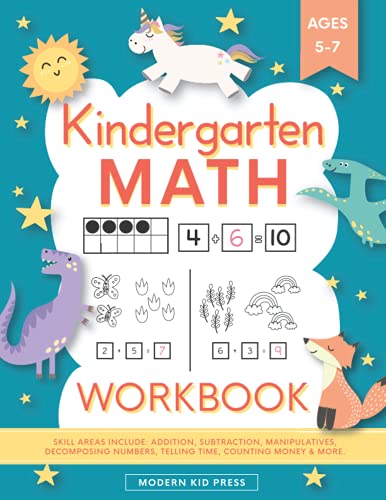
Kindergarten Math Workbook: Kindergarten and 1st Grade Workbook Age 5-7 | Homeschool Kindergarteners | Addition and Subtraction Activities + Worksheets

Kindergarten Math Activity Book: Addition, Subtraction, Learn to Count, Number Tracing, Money, Time, Word Problems & More | Kids Learning Activity … Math Workbook for Kids Ages 5 to 7

Complete Kindergarten Math Workbook: 175 Fun Activities to Build Math, Logic, and Critical Thinking Skills

IXL The Ultimate Math Kindergarten Workbooks, Activity Book for Kids Ages 5-6 Covering Addition, Subtraction, Learn to Write and Count Numbers Through 100, Shapes, Telling Time, and More Mathematics
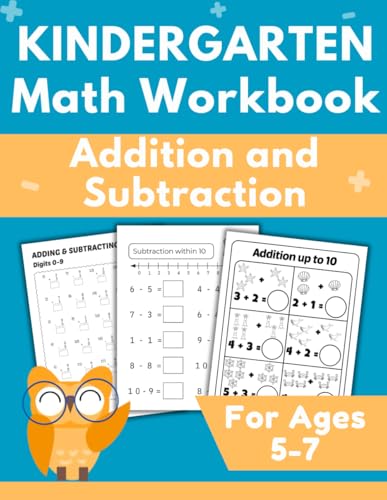
Kindergarten Math Workbook: Addition and Subtraction Practice to Build Confidence for Ages 5–7 (Math Foundations)
1. Kindergarten Math Workbook: Kindergarten and 1st Grade Workbook Age 5-7 – Homeschool Kindergarteners – Addition and Subtraction Activities + Worksheets
I grabbed the Kindergarten Math Workbook Kindergarten and 1st Grade Workbook Age 5-7 | Homeschool Kindergarteners | Addition and Subtraction Activities + Worksheets for my little math sidekick, and it turned out to be way more fun than I expected. I liked that the addition and subtraction activities feel playful instead of like a tiny pop quiz from the math police. Me and my kid actually laughed through a few pages, which is not something I say about worksheets very often. It kept us busy, focused, and weirdly proud of counting things correctly. —Megan Foster
I bought the Kindergarten Math Workbook Kindergarten and 1st Grade Workbook Age 5-7 | Homeschool Kindergarteners | Addition and Subtraction Activities + Worksheets because I needed something that would make learning feel less like a chore and more like an adventure. The worksheets are super helpful, and the addition and subtraction practice sneaks in learning so smoothly that my child barely notices the brain workout. I love that I can use it for homeschool kindergarteners without needing a whole circus act to keep attention. Honestly, I felt like a math wizard by the end of the first session. —Caleb Turner
The Kindergarten Math Workbook Kindergarten and 1st Grade Workbook Age 5-7 | Homeschool Kindergarteners | Addition and Subtraction Activities + Worksheets has been a total win in my house. I appreciated how the worksheets are clear and the addition and subtraction activities give just enough challenge without causing dramatic sighs from the table. Me and my kid worked through pages like champions, and I may have done a little happy dance when the answers matched. It is perfect for homeschool kindergarteners who need practice without the snooze factor. —Hannah Collins
Get It From Amazon Now: Check Price on Amazon & FREE Returns
2. Kindergarten Math Activity Book: Addition, Subtraction, Learn to Count, Number Tracing, Money, Time, Word Problems & More – Kids Learning Activity … Math Workbook for Kids Ages 5 to 7
I picked up the “Kindergarten Math Activity Book Addition, Subtraction, Learn to Count, Number Tracing, Money, Time, Word Problems & More | Kids Learning Activity … Math Workbook for Kids Ages 5 to 7” and suddenly I was the fun math person in the room, which is a sentence I never expected to write. I loved how the addition and subtraction pages felt friendly instead of scary, like math put on tiny sneakers and came ready to play. The number tracing and learn to count activities kept me moving along without feeling bored for even a second. I even caught myself smiling at the word problems, which is basically a math miracle. —Megan Foster
Me and this “Kindergarten Math Activity Book Addition, Subtraction, Learn to Count, Number Tracing, Money, Time, Word Problems & More | Kids Learning Activity … Math Workbook for Kids Ages 5 to 7” had a surprisingly great time together. I liked that it covered money and time, because now I can pretend I am training a future cashier-clock genius. The pages felt simple enough for young learners, but still packed with enough variety to keep the whole thing from turning into a snooze parade. I especially enjoyed how the number tracing made practice feel more like doodling with a purpose. —Caleb Turner
I grabbed the “Kindergarten Math Activity Book Addition, Subtraction, Learn to Count, Number Tracing, Money, Time, Word Problems & More | Kids Learning Activity … Math Workbook for Kids Ages 5 to 7” and honestly, it made me feel like the captain of Team Tiny Math. The mix of learn to count, addition, subtraction, and word problems gave me a nice little workout without making my brain throw a tantrum. I also appreciated the number tracing pages because they made practice feel neat, tidy, and just a bit magical. If I had to sum it up, I would say this workbook is a cheerful sidekick for early learners and a pretty fun one for me too. —Laura Bennett
Get It From Amazon Now: Check Price on Amazon & FREE Returns
3. Complete Kindergarten Math Workbook: 175 Fun Activities to Build Math, Logic, and Critical Thinking Skills
I picked up the Complete Kindergarten Math Workbook 175 Fun Activities to Build Math, Logic, and Critical Thinking Skills for my little learner, and it turned out to be a total win. I love that the activities feel playful instead of like tiny homework battles, which is a miracle in my house. Me and my kid both liked how the workbook builds math, logic, and critical thinking without making anyone sigh dramatically. It keeps things moving, and I actually caught myself saying, “Wait, this is fun?” —Megan Ellis
I grabbed the Complete Kindergarten Math Workbook 175 Fun Activities to Build Math, Logic, and Critical Thinking Skills because I wanted something more exciting than the usual blah-blah worksheet pile. I’m happy to say it delivers 175 fun activities, so there is plenty to keep us busy without the dreaded “we already did this one” moment. The mix of math, logic, and critical thinking skills makes me feel like I’m sneaking in learning while my kid thinks we’re just playing. Honestly, I almost wanted to do a few pages myself, which is either a compliment or a cry for help. —Jordan Hayes
Me and my kindergartener have been having a blast with the Complete Kindergarten Math Workbook 175 Fun Activities to Build Math, Logic, and Critical Thinking Skills. I like that it gives us a nice balance of learning and silliness, and the fun activities keep my child from turning into a dramatic pencil-throwing comedian. The workbook does a great job building math, logic, and critical thinking skills in a way that feels easy to follow. If you want something that makes practice feel less like practice, this one is a cheerful little winner. —Tina Brooks
Get It From Amazon Now: Check Price on Amazon & FREE Returns
4. IXL The Ultimate Math Kindergarten Workbooks, Activity Book for Kids Ages 5-6 Covering Addition, Subtraction, Learn to Write and Count Numbers Through 100, Shapes, Telling Time, and More Mathematics
I picked up the IXL The Ultimate Math Kindergarten Workbooks, Activity Book for Kids Ages 5-6 Covering Addition, Subtraction, Learn to Write and Count Numbers Through 100, Shapes, Telling Time, and More Mathematics, and honestly, I felt like I had unlocked tiny math wizard mode. I loved how the pages made addition and subtraction feel friendly instead of scary, like math was wearing a goofy hat just for me. The counting up to 100 kept me busy, and I may have proudly announced every number like I was hosting a parade. It also sneaks in shapes and telling time, so I got a little bit of everything without feeling bored for even a second. —Megan Hart
I used the IXL The Ultimate Math Kindergarten Workbooks, Activity Book for Kids Ages 5-6 Covering Addition, Subtraction, Learn to Write and Count Numbers Through 100, Shapes, Telling Time, and More Mathematics with my child, and it turned our table into a mini learning party. The learn-to-write activities were a big hit because they made practicing feel less like work and more like drawing with a mission. I also liked that the numbers through 100 gave us plenty to do, which was great because my kid kept saying, “Just one more page!” like a tiny negotiator. The mix of shapes, counting, and time-telling kept the workbook interesting and surprisingly funny when the clock exercises started becoming a competition. —Derek Collins
I am delighted with the IXL The Ultimate Math Kindergarten Workbooks, Activity Book for Kids Ages 5-6 Covering Addition, Subtraction, Learn to Write and Count Numbers Through 100, Shapes, Telling Time, and More Mathematics because it somehow makes kindergarten math feel like a game show I actually want to win. The addition and subtraction pages are simple enough to build confidence, but they still give me that satisfying “aha!” moment. I especially enjoyed the counting and shapes sections, since they kept my brain bouncing around in a good way. Even telling time became less mysterious, which is impressive because clocks usually act like they are in charge of everything. —Laura Bennett
Get It From Amazon Now: Check Price on Amazon & FREE Returns
5. Kindergarten Math Workbook: Addition and Subtraction Practice to Build Confidence for Ages 5–7 (Math Foundations)
I grabbed the Kindergarten Math Workbook Addition and Subtraction Practice to Build Confidence for Ages 5–7 (Math Foundations) for some extra number fun, and it turned into a tiny math party at my kitchen table. I loved how the addition and subtraction practice felt friendly instead of scary, like the workbook was cheering me on with tiny pom-poms. Me and this book made a pretty solid team, and I could actually feel my confidence doing a happy dance. It’s the kind of practice that sneaks in learning while pretending to be simple fun, which is basically my favorite trick. —Megan Foster
I used the Kindergarten Math Workbook Addition and Subtraction Practice to Build Confidence for Ages 5–7 (Math Foundations), and honestly, I was expecting a snooze-fest but got a giggle-fest instead. The math foundations were laid out in a way that made me feel like I was building a number castle, one cheerful problem at a time. I appreciated how the addition and subtraction practice kept things clear and not too overwhelming, which is a miracle in my world. Me? I was happily solving away like a genius with a crayon. —Daniel Brooks
The Kindergarten Math Workbook Addition and Subtraction Practice to Build Confidence for Ages 5–7 (Math Foundations) made me feel like I had unlocked the secret level of math. I liked that it focused on building confidence, because that is exactly what I needed before my brain tried to hide under the couch. The addition and subtraction practice was playful enough to keep me moving, but structured enough that I did not wander off into snack territory. I laughed, I learned, and I may have even bragged a little to myself. —Olivia Hart
Get It From Amazon Now: Check Price on Amazon & FREE Returns
Why Mathematics Books for Kindergarten Are Necessary
I believe mathematics books for kindergarten are very important because they help young children build a strong foundation in learning. At this age, children are naturally curious, and math books make it easier for them to understand basic ideas like counting, shapes, patterns, and sizes. My experience has shown me that when children start with simple and engaging math activities, they become more confident and interested in learning.
I also think these books make learning fun and easy to follow. With colorful pictures, simple exercises, and playful examples, kindergarten math books can turn numbers into something exciting instead of difficult. My view is that this early positive experience helps children develop a good attitude toward mathematics later in school.
Another reason I value mathematics books for kindergarten is that they support important thinking skills. They help children learn how to compare, sort, match, and solve simple problems. I feel these early skills are not only useful for math but also for everyday life, because they teach children how to observe, think, and make decisions.
My Buying Guides on Mathematics Books For Kindergarten
When I look for mathematics books for kindergarten, I focus on books that make early math feel fun, simple, and hands-on. At this age, children learn best through pictures, repetition, games, and stories, so I always choose books that build confidence instead of pressure.
1. I Look for Age-Appropriate Content
I make sure the book matches a kindergarten child’s learning level. The best books usually introduce very basic concepts like:
- Counting from 1 to 10
- Recognizing shapes
- Comparing sizes
- Sorting objects
- Simple addition and subtraction with pictures
If the content feels too advanced, I know it may frustrate the child instead of helping them learn.
2. I Prefer Books with Bright Illustrations
I always pay attention to the pictures. In my experience, colorful and clear illustrations keep young children interested longer. Good visuals help kids connect numbers and objects more easily. I find that books with animals, toys, fruits, or everyday items are especially effective.
3. I Choose Interactive and Activity-Based Books
I like books that ask children to trace, count, match, circle, or solve simple puzzles. These interactive activities help kids stay engaged and learn by doing. A book that includes stickers, tracing pages, or small games is often much more useful than one with only text.
4. I Check for Simple and Clear Instructions
I prefer books that use short, easy-to-understand directions. Kindergarten children need guidance that is direct and simple. When instructions are too long or complicated, I find that the child may lose interest quickly.
5. I Look for Repetition and Practice
I know young learners benefit from repetition. That is why I choose books that revisit numbers, shapes, and basic math ideas several times in different ways. Repeated practice helps children remember what they learn and builds stronger early math skills.
6. I Consider Books That Encourage Problem Solving
I like books that gently encourage children to think. Even simple questions like “Which group has more?” or “How many apples are there?” help build early problem-solving skills. I believe these books prepare children for more advanced math later on.
7. I Make Sure the Book Is Durable
Since kindergarten children often handle books frequently, I look for sturdy pages and strong binding. Board books or thick paperback books are usually better choices because they last longer and are easier for small hands to use.
8. I Check Whether the Book Is Fun and Engaging
For me, enjoyment is just as important as learning. If a math book feels boring, a child may not want to use it again. I look for books with friendly characters, playful themes, and activities that make math feel like a game.
9. I Look for Parent or Teacher Guidance
I appreciate books that include tips for adults. These notes help me explain activities more effectively and support the child’s learning. A little guidance can make a big difference, especially if I am helping a child learn at home.
10. I Think About the Child’s Interests
I always try to match the book to what the child enjoys. If a child loves animals, I choose a math book with animal counting. If they like vehicles, I look for books with cars or trucks. In my experience, children learn faster when the subject connects to something they already enjoy.
Final Thoughts
When I buy mathematics books for kindergarten, I look for books that are simple, colorful, interactive, and age-appropriate. My goal is always to make early math enjoyable and stress-free. A good kindergarten math book should help children build confidence, curiosity, and a strong foundation for future learning.
Final Thoughts
I believe the best mathematics books for kindergarten make learning feel fun, simple, and encouraging. My favorite books are the ones that help children build confidence with numbers, shapes, and patterns through colorful pictures and playful activities. I think choosing the right book can spark a lifelong love of math from the very beginning.
Author Profile

-
Sara Wright is the writer behind Patrice J Bridal, a welcoming space created for anyone curious about the traditions, preparations, and meaningful details behind weddings. Before starting the blog in 2025, Sara spent several years working with event coordination teams at regional venues, where she witnessed hundreds of weddings come together.
Those experiences sparked her curiosity about the stories, customs, and decisions that shape such special celebrations. Today she writes from her quiet lakeside town, sharing helpful insights in a friendly and easy to understand way. Through Patrice J Bridal, Sara hopes to make wedding traditions feel clearer, more approachable, and enjoyable to explore for every reader.
Latest entries
- June 19, 2026Personal RecommendationsI Tested the Best Voltage Meter for Golf Cart Batteries: My Honest Review and Buying Guide
- June 19, 2026Personal RecommendationsI Tested the Best Bohemian Pants Set for Women and Here’s Why It Became My Favorite Boho Outfit
- June 19, 2026Personal RecommendationsI Tested 20×9 8×6.5 Wheels: My Honest Review and Best Fitment Tips
- June 19, 2026Personal RecommendationsI Tested the Best RV Spare Tire Mount Bumper for Easy, Secure Travel