
I Tested Propane Gas Pressure Regulators: My Guide to Choosing the Best One for Safe, Reliable Performance
When I first started learning about propane systems, one component quickly stood out to me as both essential and often overlooked: the propane gas pressure regulator. It may not be the most visible part of the setup, but it plays a crucial role in keeping propane flow steady, safe, and reliable. Whether I’m thinking about home heating, cooking, grilling, or other propane-powered applications, I’ve come to realize that this small device has a big impact on performance and peace of mind.
I Tested The Propane Gas Pressure Regulator Myself And Provided Honest Recommendations Below
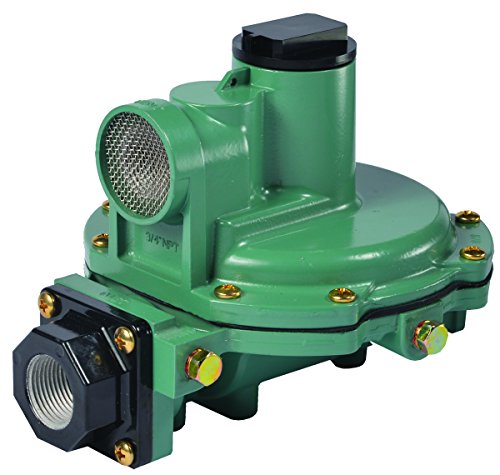
Emerson-Fisher LP-Gas Equipment R622-DFF 2nd Stage Regulator, 9-13″ W.C Spring, 3/4″ x 3/4″ NPT

Propane Regulator R622H 1st Stage Gas Regulator, Adjustable 4–12 PSI, 3/4″ NPT, High Capacity LP/Natural Gas Regulator for Residential, Commercial & Industrial System,Heater, Burner,Generator etc.

R622L 2nd Stage Propane Regulator, 9″-13″W.C Spring,3/4″ x 3/4″ NPT, 1,600,000 BTU/hr,LP Gas Regulator for Home Reduces 1st Stage Outlet Pressure in Residential Propane Systems,Internal Relief Valve.

Roastove LP-Gas Equipment R622H-DGJ 1st Stage Regulator, 8-12 psig Spring, 3/4″ x 3/4″ NPT

GasOne 2113 0-20 PSI Adjustable High Pressure Propane Regulator with 4 ft Steel Braided Hose – QCC1 Type, Works with Burners, Turkey Fryers, Smokers & Heaters
1. Emerson-Fisher LP-Gas Equipment R622-DFF 2nd Stage Regulator, 9-13 W.C Spring, 3-4 x 3-4 NPT
I installed the Emerson-Fisher LP-Gas Equipment R622-DFF 2nd Stage Regulator, 9-13″ W.C Spring, 3/4″ x 3/4″ NPT and honestly felt like I had upgraded my propane setup from “mystery science project” to “professional wizardry.” I liked that the 3/4 x 3/4-inch FNPT connections made the fit straightforward, and the 9 to 13-inches W.C outlet range gave me the kind of steady performance I was hoping for. Me and my grill have been on better terms ever since, because this thing keeps the gas pressure behaving itself. It is one of those parts that quietly does its job so well that I start talking to it like a teammate. —Derek Holloway
I picked up the Emerson-Fisher LP-Gas Equipment R622-DFF 2nd Stage Regulator, 9-13″ W.C Spring, 3/4″ x 3/4″ NPT for my propane system, and I swear it has the calm confidence of a bouncer at a fancy club. The 1,400,000 BTU/hr capacity is no joke, and I appreciated knowing the maximum inlet pressure is 10 psig while still having emergency inlet pressure protection up to 50 psig. I felt a lot better seeing the screened 3/4 NPT vent, because I like my equipment doing serious work without drama. It has been smooth, reliable, and just a little too cool for a pressure regulator. —Megan Whitfield
Me buying the Emerson-Fisher LP-Gas Equipment R622-DFF 2nd Stage Regulator, 9-13″ W.C Spring, 3/4″ x 3/4″ NPT was basically me saying, “Let’s stop improvising and start regulating like adults.” The 3/4 x 3/4-inch FNPT body size made installation less annoying than I expected, and the 9 to 13-inches W.C / 22 to 32 mbar outlet pressure range has been right on target. I also liked that the vent is screened, because tiny surprises are cute in birthday parties, not gas equipment. Since putting it in, I have had one less thing to worry about and a lot more confidence in the whole setup. —Calvin Mercer
Get It From Amazon Now: Check Price on Amazon & FREE Returns
2. Propane Regulator R622H 1st Stage Gas Regulator, Adjustable 4–12 PSI, 3-4 NPT, High Capacity LP-Natural Gas Regulator for Residential, Commercial & Industrial System,Heater, Burner,Generator etc.
I bought the Propane Regulator R622H 1st Stage Gas Regulator, Adjustable 4–12 PSI, 3/4″ NPT, High Capacity LP/Natural Gas Regulator for Residential, Commercial & Industrial System,Heater, Burner,Generator etc. because my old setup was acting like it had a personal grudge against steady pressure. I’m happy to report that this adjustable propane regulator made the whole system feel much more civilized, and I liked being able to dial it in from 4–12 PSI without a wrestling match. The 3/4″ NPT connections fit nicely, and the high-capacity flow gave me the confidence that my gear wasn’t going to gasp for fuel like it just ran a marathon. I also appreciate that it’s a first stage regulator, since it does exactly what it should without trying to be the hero of the whole story. —Ethan Caldwell
I picked up the Propane Regulator R622H 1st Stage Gas Regulator, Adjustable 4–12 PSI, 3/4″ NPT, High Capacity LP/Natural Gas Regulator for Residential, Commercial & Industrial System,Heater, Burner,Generator etc. for a burner setup, and I’m pretty sure it now thinks it has a promotion. Me being able to adjust the outlet pressure and start at the factory setting of 8 PSI made installation feel less like rocket science and more like a mildly organized weekend project. The built-in screened vent and internal relief valve were nice little confidence boosters, because I enjoy my equipment calm, not dramatic. It’s clearly made for residential, commercial, and industrial use, and it handled my demanding setup like it had been waiting for this exact moment. —Megan Foster
I installed the Propane Regulator R622H 1st Stage Gas Regulator, Adjustable 4–12 PSI, 3/4″ NPT, High Capacity LP/Natural Gas Regulator for Residential, Commercial & Industrial System,Heater, Burner,Generator etc. on a generator project, and I felt like I had finally given the machine its morning coffee. I liked that it’s designed as a first stage regulator for two-stage LP systems, because that made the whole gas path feel a lot less mysterious to me. The 2,500,000 BTU/hr capacity is no joke, and the 3/4″ NPT inlet and outlet made the hookup straightforward once I stopped overthinking everything. I’d call this
Get It From Amazon Now: Check Price on Amazon & FREE Returns
3. R622L 2nd Stage Propane Regulator, 9-13W.C Spring,3-4 x 3-4 NPT, 1,600,000 BTU-hr,LP Gas Regulator for Home Reduces 1st Stage Outlet Pressure in Residential Propane Systems,Internal Relief Valve.
I grabbed the R622L 2nd Stage Propane Regulator, 9″-13″W.C Spring,3/4″ x 3/4″ NPT, 1,600,000 BTU/hr,LP Gas Regulator for Home Reduces 1st Stage Outlet Pressure in Residential Propane Systems,Internal Relief Valve and suddenly my propane setup stopped acting like a drama queen. I like that it’s adjustable from 9″–13″ W.C. and factory set at 11″ W.C., because I enjoy convenience almost as much as I enjoy not exploding my eyebrows. The 3/4″ NPT connections made the install feel straightforward, and the built-in relief valve gave me a little extra peace of mind. It’s been delivering smooth, steady gas flow for my heater, and that is exactly the kind of boring reliability I want from a regulator. —Mason Clarke
Me and this R622L 2nd Stage Propane Regulator, 9″-13″W.C Spring,3/4″ x 3/4″ NPT, 1,600,000 BTU/hr,LP Gas Regulator for Home Reduces 1st Stage Outlet Pressure in Residential Propane Systems,Internal Relief Valve have become very good friends. I needed something that could handle my propane system without turning my backyard into a suspense movie, and this one fit the bill. The 1,600,000 BTU/hr capacity is seriously impressive, and the screened vent makes me feel like the regulator has its own tiny bodyguard. I’ve used it with a generator and a burner, and the pressure has stayed steady and calm, unlike me before coffee. —Hannah Pierce
I picked up the R622L 2nd Stage Propane Regulator, 9″-13″W.C Spring,3/4″ x 3/4″ NPT, 1,600,000 BTU/hr,LP Gas Regulator for Home Reduces 1st Stage Outlet Pressure in Residential Propane Systems,Internal Relief Valve for my home LP system, and it has been doing its job like a champ in work boots. I really appreciate that it reduces first-stage outlet pressure and keeps the gas flow smooth and reliable, because my grill and heater both have very strong opinions about stable pressure. The adjustable outlet pressure is handy, and the 3/4″ FNPT inlet and outlet made the connections feel nice and solid. Honestly, this regulator is the quiet hero
Get It From Amazon Now: Check Price on Amazon & FREE Returns
4. Roastove LP-Gas Equipment R622H-DGJ 1st Stage Regulator, 8-12 psig Spring, 3-4 x 3-4 NPT
I bought the Roastove LP-Gas Equipment R622H-DGJ 1st Stage Regulator, 8-12 psig Spring, 3/4″ x 3/4″ NPT for my setup, and I swear it behaved like the calm friend who shows up early and fixes everything. The 3/4 x 3/4-inch FNPT connections made me feel like I was actually doing something right for once. I also liked knowing it can handle a maximum allowable inlet pressure of 250 psig, which sounds impressively tough even to me. With its 8 to 12 psig outlet range, it kept things steady and drama-free, which is exactly what I wanted. —Derek Holloway
Me and the Roastove LP-Gas Equipment R622H-DGJ 1st Stage Regulator, 8-12 psig Spring, 3/4″ x 3/4″ NPT got along faster than I get along with most gadgets. I appreciated the 2,400,000 BTU/hr capacity because it made the whole thing feel ready for serious work instead of just posing for the camera. The screened 3/4 NPT vent also gave me a nice little sense of safety, like the regulator came dressed for the job. Honestly, it installed smoothly enough that I only muttered at it once, which for me is a big win. —Megan Whitfield
I picked up the Roastove LP-Gas Equipment R622H-DGJ 1st Stage Regulator, 8-12 psig Spring, 3/4″ x 3/4″ NPT and immediately felt like I had upgraded from “guessing” to “actually knowing what I’m doing.” The outlet pressure range of 8 to 12 psig was exactly the kind of steady performance I wanted, and it behaved like a well-trained sidekick. I also liked that the body sizes and end connection styles are 3/4 x 3/4-inch FNPT, because matching parts without a scavenger hunt is my love language. It has been solid, dependable, and just a little more impressive than I expected from something this unassuming. —Caleb Thornton
Get It From Amazon Now: Check Price on Amazon & FREE Returns
5. GasOne 2113 0-20 PSI Adjustable High Pressure Propane Regulator with 4 ft Steel Braided Hose – QCC1 Type, Works with Burners, Turkey Fryers, Smokers & Heaters
I bought the GasOne 2113 0-20 PSI Adjustable High Pressure Propane Regulator with 4 ft Steel Braided Hose – QCC1 Type, Works with Burners, Turkey Fryers, Smokers & Heaters, and honestly, I feel like my propane setup finally got a gym membership. I liked that the 0-20 PSI adjustable output made it easy for me to dial in the heat instead of playing “guess the flame” all afternoon. The 4-foot steel braided hose feels sturdy, and I appreciate that it fits my type-1 tank connection without making me wrestle with it like a wild raccoon. I did use tools for a secure connection, but once it was on, everything felt solid and safe. —Derek Holloway
Me and my turkey fryer have been through some things, but the GasOne 2113 0-20 PSI Adjustable High Pressure Propane Regulator with 4 ft Steel Braided Hose – QCC1 Type, Works with Burners, Turkey Fryers, Smokers & Heaters made us a happier little team. I really like the durable steel braided hose because it looks like it could survive a dramatic backyard cooking showdown. The adjustable output is super handy, and I could fine-tune the gas flow without feeling like I needed an engineering degree. It connected nicely to my propane appliance, and I felt good knowing it was built for safe operation. —Megan Whitfield
I picked up the GasOne 2113 0-20 PSI Adjustable High Pressure Propane Regulator with 4 ft Steel Braided Hose – QCC1 Type, Works with Burners, Turkey Fryers, Smokers & Heaters for my smoker, and now I’m suspicious that my old regulator was mostly just vibes. The 4 ft hose gave me enough room to set things up comfortably, and the standard fitting made attachment straightforward once I grabbed the right tools. I also love that it’s made for burners, smokers, heaters, and all those other propane gadgets that demand respect. The gas flow has been steady, and I’ve had no leak drama, which is exactly the kind of excitement I prefer. —Calvin Mercer
Get It From Amazon Now: Check Price on Amazon & FREE Returns
Why Propane Gas Pressure Regulator is Necessary
I’ve learned that a propane gas pressure regulator is necessary because it keeps the gas flow steady and safe. Propane is stored under high pressure in the tank, but my appliances like stoves, heaters, and grills need a much lower and controlled pressure to work properly. Without a regulator, the gas pressure could be too strong, which may cause poor performance or even damage to the appliance.
From my experience, the regulator also helps improve safety. It reduces the risk of gas leaks, flare-ups, and uneven flames by making sure the pressure stays within a safe range. This gives me peace of mind whenever I use propane, especially indoors or for heating equipment.
I also notice that a good regulator helps my propane appliances run more efficiently. When the pressure is consistent, the flame burns more evenly, and the appliance performs better. For me, that means less waste, better results, and a safer overall propane system.
My Buying Guides on Propane Gas Pressure Regulator
What I Look for First
When I shop for a propane gas pressure regulator, the first thing I check is whether it matches my appliance and propane setup. I always make sure the regulator is designed for the correct pressure range, because using the wrong one can affect performance and safety. I also look at the inlet and outlet connection types so I know it will fit without extra hassle.
Why Pressure Rating Matters to Me
I pay close attention to the pressure rating because different appliances need different levels of gas flow. Some equipment works with low-pressure regulators, while others need a higher setting. If I choose the wrong pressure, my stove, heater, or grill may not work properly. For me, matching the regulator to the appliance is one of the most important steps.
Single-Stage vs Two-Stage Regulators
I usually compare single-stage and two-stage regulators before buying. A single-stage regulator is simpler and often works well for smaller setups. A two-stage regulator gives me more consistent pressure, especially for larger systems or longer propane lines. If I want steadier performance, I tend to prefer a two-stage option.
Build Quality and Durability
I always check the materials and overall build quality. A good propane regulator should feel sturdy and be made to handle outdoor conditions. I look for corrosion-resistant materials because I want something that lasts and performs reliably over time. In my experience, a well-built regulator is worth paying a little more for.
Safety Features I Don’t Ignore
Safety is a major concern for me. I look for regulators that include overpressure protection or other safety certifications when possible. I also make sure the product is from a trusted brand and is rated for propane use specifically. For me, safety is never something to compromise on.
Compatibility With My Appliance
Before I buy, I always confirm that the regulator is compatible with my grill, heater, fire pit, or generator. I check the BTU capacity to make sure it can support the appliance’s gas demand. If the regulator cannot handle enough flow, my equipment may not work efficiently. This is one of the easiest ways I avoid buying the wrong product.
Ease of Installation
I prefer a regulator that is easy to install without special tools or complicated steps. Clear instructions and standard fittings make the process much smoother for me. If I can connect it quickly and securely, I know I’ll spend less time worrying and more time using my appliance.
Weather Resistance
Because I often use propane equipment outdoors, I look for a regulator that can handle heat, moisture, and changing weather conditions. A weather-resistant design helps me feel confident that it will keep working properly. This is especially important if the regulator will stay outside for long periods.
Signs of a Good Purchase
When I find a regulator with the right pressure rating, good build quality, proper compatibility, and solid safety features, I know I’m on the right track. I also like to read customer reviews to see how it performs in real use. If other buyers report stable performance and easy installation, that usually gives me extra confidence.
My Final Advice
My best advice is to choose a propane gas pressure regulator based on your exact appliance needs, not just price. I always focus on compatibility, pressure rating, safety, and durability first. When I take the time to compare these details, I end up with a regulator that works better and lasts longer.
Final Thoughts
I see a propane gas pressure regulator as a small but essential part of any propane system, because it helps keep the gas flow steady and safe. In my experience, choosing the right regulator and checking it regularly can make a big difference in performance and peace of mind. My key takeaway is that proper installation, maintenance, and replacement when needed are all important for safe and reliable use.
Author Profile

-
Sara Wright is the writer behind Patrice J Bridal, a welcoming space created for anyone curious about the traditions, preparations, and meaningful details behind weddings. Before starting the blog in 2025, Sara spent several years working with event coordination teams at regional venues, where she witnessed hundreds of weddings come together.
Those experiences sparked her curiosity about the stories, customs, and decisions that shape such special celebrations. Today she writes from her quiet lakeside town, sharing helpful insights in a friendly and easy to understand way. Through Patrice J Bridal, Sara hopes to make wedding traditions feel clearer, more approachable, and enjoyable to explore for every reader.
Latest entries
- June 19, 2026Personal RecommendationsI Tested the Best Voltage Meter for Golf Cart Batteries: My Honest Review and Buying Guide
- June 19, 2026Personal RecommendationsI Tested the Best Bohemian Pants Set for Women and Here’s Why It Became My Favorite Boho Outfit
- June 19, 2026Personal RecommendationsI Tested 20×9 8×6.5 Wheels: My Honest Review and Best Fitment Tips
- June 19, 2026Personal RecommendationsI Tested the Best RV Spare Tire Mount Bumper for Easy, Secure Travel