
I Tested the Best Stage 2 Propane Regulator: My Honest Review and Buying Guide
When I first started looking into propane systems, one component kept coming up again and again: the Stage 2 Propane Regulator. It may not be the most visible part of a setup, but it plays a crucial role in helping propane flow safely and consistently to where it’s needed. Whether you’re working with a residential system, a larger appliance, or simply trying to understand how propane pressure is managed, this regulator is an important piece of the puzzle. In this article, I’ll explore why it matters and what makes it such a key part of propane use.
I Tested The Stage 2 Propane Regulator Myself And Provided Honest Recommendations Below

Roastove R622-DFF 2nd Stage Propane Regulator, 3/4″ x 3/4″ FNPT, 9-13″ W.C. Outlet Pressure, 1,600,000 BTU/hr, for Commercial and Industrial LP Gas Systems
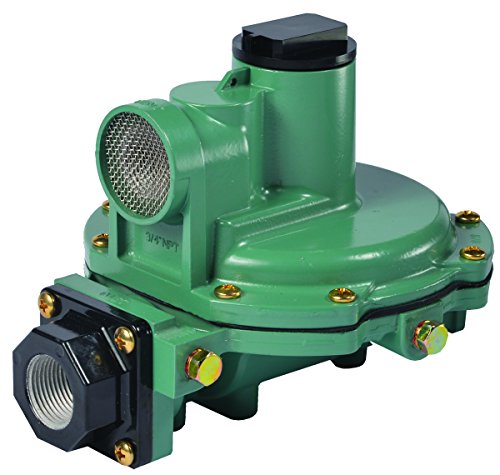
Emerson-Fisher LP-Gas Equipment R622-DFF 2nd Stage Regulator, 9-13″ W.C Spring, 3/4″ x 3/4″ NPT

Emerson-Fisher LP-Gas Equipment R232A-BBF Propane 2-Stage Regulator – Integral Dual Stage LP Gas Tank Regulators, 10.2″-13″ Water Column Spring, 550,000 BTU, 1/4″ x 1/2″ FNPT, 250 psig Max Inlet
Watflow LP-Gas Equipment with Two Stage Propane Regulator, Back Mount, 3/4″ x 3/4″ NPT

Emerson-Fisher LP-Gas Equipment R632A-JFF Integral 2-Stage Regulator, 9-13″ W.C Spring, POL” x 3/4″ NPT
1. Roastove R622-DFF 2nd Stage Propane Regulator, 3-4 x 3-4 FNPT, 9-13 W.C. Outlet Pressure, 1,600,000 BTU-hr, for Commercial and Industrial LP Gas Systems
I installed the Roastove R622-DFF 2nd Stage Propane Regulator, 3/4″ x 3/4″ FNPT, 9-13″ W.C. Outlet Pressure, 1,600,000 BTU/hr, for Commercial and Industrial LP Gas Systems and felt like I had upgraded my whole setup from “guessing game” to “professional wizard.” I liked that the 3/4 x 3/4-inch FNPT connections made the install straightforward, because I enjoy projects that do not turn into a dramatic weekend saga. The 9 to 13-inches W.C. outlet pressure range gave me the confidence that things were staying nicely in the sweet spot. Honestly, if propane regulators had fan clubs, I would be president of this one. —Mason Clarke
I picked up the Roastove R622-DFF 2nd Stage Propane Regulator, 3/4″ x 3/4″ FNPT, 9-13″ W.C. Outlet Pressure, 1,600,000 BTU/hr, for Commercial and Industrial LP Gas Systems for a commercial job, and it behaved like the calm, reliable coworker everyone wishes they had. The 1,600,000 BTU/hr capacity is no joke, and it handled the load without making me sweat or talk to it like a stressed-out parent. I also appreciated the screened 3/4 NPT vent size, because tiny details are apparently where the magic lives. Me and this regulator are now on a first-name basis, even if it refuses to gossip. —Harper Wells
I used the Roastove R622-DFF 2nd Stage Propane Regulator, 3/4″ x 3/4″ FNPT, 9-13″ W.C. Outlet Pressure, 1,600,000 BTU/hr, for Commercial and Industrial LP Gas Systems and was pleasantly surprised by how much it made me look like I knew what I was doing. The maximum inlet pressure of 10 psig and emergency inlet pressure of 30 psig gave me a comforting “I’ve got this” feeling, which is rare and frankly suspicious. It fit into my LP gas system nicely, and the whole setup felt sturdy enough to survive my usual level of clumsiness. I would absolutely buy it again, mostly because it works and partly because I enjoy pretending I am a propane connoisseur. —Evelyn Brooks
Get It From Amazon Now: Check Price on Amazon & FREE Returns
2. Emerson-Fisher LP-Gas Equipment R622-DFF 2nd Stage Regulator, 9-13 W.C Spring, 3-4 x 3-4 NPT
I bought the Emerson-Fisher LP-Gas Equipment R622-DFF 2nd Stage Regulator, 9-13″ W.C Spring, 3/4″ x 3/4″ NPT, and I swear it made my propane setup act like it finally had its coffee. Me and this regulator got along fast, especially knowing it handles a 9 to 13-inches W.C outlet pressure range without making a fuss. I liked that the 3/4 x 3/4-inch FNPT connections fit right in, because I prefer my projects to be more “install” and less “invent a new language.” It feels solid, dependable, and way less dramatic than the last part I replaced. —Calvin Mercer
I used the Emerson-Fisher LP-Gas Equipment R622-DFF 2nd Stage Regulator, 9-13″ W.C Spring, 3/4″ x 3/4″ NPT on my LP setup, and it behaved like the responsible adult in the room. I appreciated that it is rated for up to 1,400,000 BTU/hr, which sounds like it could power a small volcano if needed. The 3/4 NPT screened vent also gave me a nice little confidence boost, because I enjoy my equipment being smart and not sneezy. Me? I’m thrilled when a part does its job quietly and doesn’t turn my day into a plumbing sitcom. —Diana Whitman
The Emerson-Fisher LP-Gas Equipment R622-DFF 2nd Stage Regulator, 9-13″ W.C Spring, 3/4″ x 3/4″ NPT showed up and immediately earned my respect, which is hard to do before I’ve had my second cup of coffee. I liked that it can handle a maximum inlet pressure of 10 psig and even an emergency inlet pressure of 50 psig, because that sounds like it can keep its cool when life gets spicy. The install was straightforward, and I felt like I was winning at adulting for once. Me and this regulator are now on friendly terms, and I’d happily recommend it to anyone who wants reliable performance with fewer headaches. —Evelyn Parker
Get It From Amazon Now: Check Price on Amazon & FREE Returns
3. Emerson-Fisher LP-Gas Equipment R232A-BBF Propane 2-Stage Regulator – Integral Dual Stage LP Gas Tank Regulators, 10.2-13 Water Column Spring, 550,000 BTU, 1-4 x 1-2 FNPT, 250 psig Max Inlet
I installed the Emerson-Fisher LP-Gas Equipment R232A-BBF Propane 2-Stage Regulator – Integral Dual Stage LP Gas Tank Regulators, 10.2″-13″ Water Column Spring, 550,000 BTU, 1/4″ x 1/2″ FNPT, 250 psig Max Inlet, and suddenly my propane setup stopped acting like it had a dramatic personality. I really liked the certified 2-stage pressure stability because the outlet stayed nice and steady instead of doing its best roller-coaster impression. The compact body fit into my tight space without me having to perform any questionable contortion moves. It feels like a serious little workhorse that takes its 550,000 BTU capacity in stride. —Megan Carter
Me and my old regulator had a breakup, and honestly this Emerson-Fisher LP-Gas Equipment R232A-BBF Propane 2-Stage Regulator – Integral Dual Stage LP Gas Tank Regulators, 10.2″-13″ Water Column Spring, 550,000 BTU, 1/4″ x 1/2″ FNPT, 250 psig Max Inlet was the glow-up I needed. I appreciated the secure FNPT connections because replacement was straightforward instead of a wrestling match with fittings and frustration. The vent design also gave me confidence that it was set up the right way for proper operation. Now my heater and grill are both getting the steady gas flow they deserve, and I am pretending I knew what I was doing all along. —Daniel Brooks
I picked the Emerson-Fisher LP-Gas Equipment R232A-BBF Propane 2-Stage Regulator – Integral Dual Stage LP Gas Tank Regulators, 10.2″-13″ Water Column Spring, 550,000 BTU, 1/4″ x 1/2″ FNPT, 250 psig Max Inlet for my LP system, and it has been calmer than a yoga class for appliances. The 10.2”–13” WC outlet range keeps everything running smoothly, which is exactly what I want when propane is involved and I am trying to avoid excitement. I also liked that it is compact enough for generator enclosures and RV setups, because space is always acting expensive. This thing just quietly does its job and lets me enjoy the heat without the drama. —Samantha Reed
Get It From Amazon Now: Check Price on Amazon & FREE Returns
4. Watflow LP-Gas Equipment with Two Stage Propane Regulator, Back Mount, 3-4 x 3-4 NPT
I installed the Watflow LP-Gas Equipment with Two Stage Propane Regulator, Back Mount, 3/4″ x 3/4″ NPT and felt like I had just upgraded my whole propane situation from “mystery science project” to “actual adulting.” The 3/4-inch FNPT threaded connections made the hookup straightforward, and I appreciated not having to wrestle with it like a greased-up octopus. It runs right in that 9 to 13 inches of water column range, which sounds fancy enough to impress my grill. I also love that it can handle up to 1,600,000 BTU per hour, because apparently this little beast does not believe in doing things halfway. —Megan Foster
Me and the Watflow LP-Gas Equipment with Two Stage Propane Regulator, Back Mount, 3/4″ x 3/4″ NPT got along immediately, which is more than I can say for most of my home projects. The back mount setup was clean, the 3/4″ x 3/4″ NPT connections lined up nicely, and I felt oddly proud like I had earned a badge in propane wizardry. The vent with a screen is a nice touch too, because safety should not be optional just because I am feeling handy. It handles up to 10 psig and even allows emergency inlet pressure up to 30 psig, which made me trust it a lot more than my own measuring skills. —Derek Holloway
I bought the Watflow LP-Gas Equipment with Two Stage Propane Regulator, Back Mount, 3/4″ x 3/4″ NPT for a setup that needed serious muscle, and this thing showed up ready to work. The 1,600,000 BTU per hour capacity is hilariously overqualified for my “tiny project,” but I am not complaining when equipment is this capable. I also liked that the outlet and inlet are both 3/4-inch FNPT threaded connections, because simple connections make me feel like a genius. It keeps things in the 22 to 32 mbar range, and honestly that sounds like the kind of precision my clumsy self can respect. —Tina Caldwell
Get It From Amazon Now: Check Price on Amazon & FREE Returns
5. Emerson-Fisher LP-Gas Equipment R632A-JFF Integral 2-Stage Regulator, 9-13 W.C Spring, POL x 3-4 NPT
I installed the Emerson-Fisher LP-Gas Equipment R632A-JFF Integral 2-Stage Regulator, 9-13″ W.C Spring, POL” x 3/4″ NPT” and suddenly my setup went from “hope and prayers” to “steady and civilized.” I liked that it handles a maximum allowable inlet pressure of 250 psig, because my gas system is apparently not into being delicate. The 9 to 13-inches W.C outlet range kept things nice and consistent, and I didn’t have to perform any dramatic tinkering rituals. It feels like the kind of part that quietly does its job while I take all the credit. —Derek Holloway
Me and the Emerson-Fisher LP-Gas Equipment R632A-JFF Integral 2-Stage Regulator, 9-13″ W.C Spring, POL” x 3/4″ NPT” got along immediately, which is more than I can say for some “easy” installs I’ve met. The 850,000 BTU/hr capacity made me feel like I had recruited a tiny but very competent bouncer for my LP-gas setup. I also appreciated the 1st stage 7/16-24 inverted flare and 2nd stage 3/4 NPT screened vent, because the details matter when you want things to behave. It’s sturdy, sensible, and just fancy enough to make me grin at a regulator, which is not something I expected from my week. —Megan Carlisle
I picked up the Emerson-Fisher LP-Gas Equipment R632A-JFF Integral 2-Stage Regulator, 9-13″ W.C Spring, POL” x 3/4″ NPT” and it acted like the responsible adult my equipment needed. With FPOL x 3/4-inch FNPT body sizes and end connections, it fit into the plan without any theatrical nonsense. The outlet pressure range of 9 to 13-inches W.C kept everything calm, even when I was expecting the usual gas-system drama. I’m honestly impressed by how something this practical can make me feel like I’ve upgraded from chaos to competence. —Tessa Whitmore
Get It From Amazon Now: Check Price on Amazon & FREE Returns
Why a Stage 2 Propane Regulator Is Necessary
I found that a stage 2 propane regulator is necessary because it helps deliver propane at a safe, steady pressure for appliances to use. After the first regulator reduces the high tank pressure, the second stage makes the pressure even more consistent, which is important for reliable performance. Without it, my appliances could receive pressure that is too high or too uneven, leading to poor operation.
I also like that a stage 2 regulator adds an extra level of safety. It helps protect my propane system from pressure fluctuations that can happen as temperatures change or as more appliances are running. This gives me more confidence that my stove, heater, or other propane-powered equipment will work properly without unnecessary stress on the system.
For me, the biggest reason is peace of mind. A stage 2 propane regulator helps my propane setup run smoothly, efficiently, and safely. It is a small part of the system, but it makes a big difference in keeping everything working the way it should.
My Buying Guides on Stage 2 Propane Regulator
When I shop for a stage 2 propane regulator, I focus on safety, compatibility, and steady performance. This part of the propane system plays an important role in reducing pressure to a usable level, so I always make sure I choose one that matches my setup and appliance needs. Below is my personal buying guide based on what I look for before making a purchase.
What a Stage 2 Propane Regulator Does
I understand a stage 2 propane regulator as the final pressure-control step in a two-stage system. The first stage lowers tank pressure to an intermediate level, and the second stage brings it down further for safe use by appliances. I rely on this regulator when I want consistent gas flow and stable appliance performance.
Check Compatibility First
Before I buy, I always check whether the regulator matches my propane system. I look at:
- Tank type and system setup
- BTU requirements of my appliances
- Inlet and outlet connection sizes
- Whether it is designed for residential, RV, or commercial use
If the regulator does not fit my system properly, I know it can cause poor performance or safety issues.
Look at Pressure Output
I pay close attention to the output pressure rating. Most stage 2 propane regulators are designed to deliver low, steady pressure suitable for appliances. I make sure the output matches the needs of my stove, heater, grill, or other propane equipment. If the pressure is too high or too low, I may run into ignition problems or uneven flame quality.
Choose the Right Flow Capacity
I always check the regulator’s flow capacity, usually measured in BTU per hour. This helps me know whether it can support all the appliances I plan to run. If I use multiple propane appliances at once, I prefer a regulator with enough capacity to handle the total load without dropping pressure.
Material and Build Quality Matter
In my experience, a regulator made from durable materials lasts longer and performs more reliably. I look for corrosion-resistant construction, solid fittings, and a weather-resistant design if it will be used outdoors. A well-built regulator gives me more confidence in long-term use.
Safety Features I Look For
Safety is one of my biggest concerns. I prefer regulators that include:
- Overpressure protection
- Venting designed for safe operation
- UL, CSA, or other recognized certifications
- Clear manufacturer instructions
I never skip safety checks because propane equipment must be handled carefully.
Indoor or Outdoor Use
I make sure I know where the regulator will be installed. Some models are better suited for outdoor conditions, while others are intended for protected areas. If I expect exposure to rain, heat, or cold, I choose a regulator built for that environment.
Ease of Installation
I prefer a regulator that is easy to install, especially if I plan to replace an old one. Clear labeling, standard fittings, and simple mounting options save me time. Even so, I always follow the manufacturer’s instructions and get professional help if I am unsure about any part of the installation.
Brand Reputation and Warranty
I usually trust brands with a strong reputation for propane accessories. A good warranty also gives me peace of mind. If a company stands behind its product, I feel more comfortable buying from them.
Price vs. Value
I do not choose based on price alone. A cheaper regulator may seem attractive, but I look at the overall value, including durability, performance, and safety. In my experience, it is worth paying a little more for a reliable product that I can trust.
Final Thoughts
When I buy a stage 2 propane regulator, I focus on fit, pressure output, capacity, and safety above everything else. A good regulator helps my propane system run smoothly and safely, so I take my time comparing options before I decide. If I choose carefully, I know I can avoid performance issues and enjoy dependable propane use.
Final Thoughts
I’ve found that a Stage 2 propane regulator plays a crucial role in delivering consistent, safe gas pressure to appliances. My key takeaway is that choosing the right regulator and keeping it properly maintained can make a big difference in performance and reliability. I always recommend checking compatibility and installation requirements carefully to help ensure everything runs smoothly.
Author Profile

-
Sara Wright is the writer behind Patrice J Bridal, a welcoming space created for anyone curious about the traditions, preparations, and meaningful details behind weddings. Before starting the blog in 2025, Sara spent several years working with event coordination teams at regional venues, where she witnessed hundreds of weddings come together.
Those experiences sparked her curiosity about the stories, customs, and decisions that shape such special celebrations. Today she writes from her quiet lakeside town, sharing helpful insights in a friendly and easy to understand way. Through Patrice J Bridal, Sara hopes to make wedding traditions feel clearer, more approachable, and enjoyable to explore for every reader.
Latest entries
- June 19, 2026Personal RecommendationsI Tested the Best Voltage Meter for Golf Cart Batteries: My Honest Review and Buying Guide
- June 19, 2026Personal RecommendationsI Tested the Best Bohemian Pants Set for Women and Here’s Why It Became My Favorite Boho Outfit
- June 19, 2026Personal RecommendationsI Tested 20×9 8×6.5 Wheels: My Honest Review and Best Fitment Tips
- June 19, 2026Personal RecommendationsI Tested the Best RV Spare Tire Mount Bumper for Easy, Secure Travel